Trees are one of the biggest assets to any Portland home or business. They provide shade, improve curb appeal, increase property value, and contribute to the natural beauty that makes the Pacific Northwest unique. However, not every tree can or should be saved. Dead, diseased, or structurally unstable trees can become serious safety hazards, especially during Portland’s rainy and windy seasons.
If you’re unsure whether a tree should be removed, here are 10 warning signs that it’s time to contact a professional Portland tree service for an inspection.
1. The Tree Is Dead or Dying
One of the most obvious signs that you need tree removal in Portland is when a tree has died or is in severe decline.
Common indicators include:
- No leaves during the growing season
- Large sections of dead branches
- Peeling or missing bark
- Brittle limbs that snap easily
- Fungal growth around the trunk
A dead tree becomes weaker over time and is far more likely to fall during Portland’s winter storms.
2. Large Dead Branches Are Falling
If large branches are breaking off your tree, it may indicate serious internal decay.
Falling limbs can damage:
- Homes
- Vehicles
- Power lines
- Fences
- Outdoor living spaces
They also pose a significant risk to anyone walking beneath the tree. A certified Portland arborist can determine whether pruning is enough or if complete tree removal is the safest option.
3. The Tree Is Leaning More Than It Used To
Not every leaning tree is dangerous. Some species naturally grow at an angle.
However, if you notice a tree suddenly leaning after heavy rain or wind, it could indicate:
- Root failure
- Soil movement
- Structural instability
Because Portland receives significant rainfall throughout the year, saturated soil can weaken a tree’s root system, making failure much more likely.
4. The Trunk Has Large Cracks or Splits
Deep vertical cracks are often signs that a tree has structural problems.
Watch for:
- Multiple large cracks
- Hollow sections
- Cavities
- Bark separating from the trunk
These issues reduce the tree’s strength and make it much more susceptible to failure during high winds.
5. The Tree Has Extensive Disease or Decay
Many tree diseases spread internally long before visible symptoms appear.
Signs include:
- Mushrooms growing around the base
- Rotting wood
- Soft or hollow trunk sections
- Discolored leaves
- Unusual fungal growth
An experienced Portland tree service can inspect the tree and determine whether treatment is possible or if removal is the safest solution.
6. Roots Are Damaging Your Property
Healthy roots help anchor a tree, but aggressive root systems can create expensive problems.
Tree roots may damage:
- Sidewalks
- Driveways
- Foundations
- Sewer lines
- Underground utilities
If root damage continues to worsen, removing the tree may prevent thousands of dollars in future repairs.
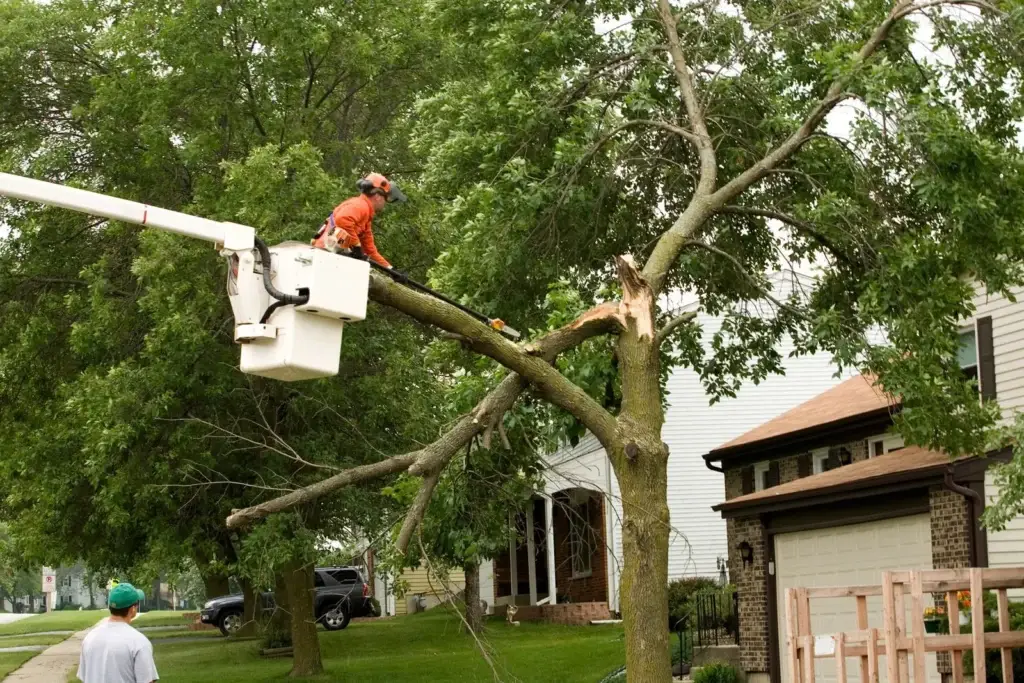
7. Storm Damage Has Compromised the Tree
Portland experiences strong winds, heavy rain, snow, and occasional ice storms.
After severe weather, inspect your trees for:
- Split trunks
- Hanging limbs
- Broken tops
- Exposed roots
- Significant leaning
Even if the tree is still standing, internal damage may make it unsafe.
Emergency tree removal services in Portland can quickly eliminate hazardous trees before they cause additional damage.
8. The Tree Is Too Close to Your Home
Trees planted too close to structures often become problematic as they mature.
Overgrown trees may:
- Rub against the roof
- Damage siding
- Block gutters
- Threaten foundations
- Hang over bedrooms or driveways
Removing a hazardous tree before it causes structural damage is often the most cost-effective decision.
9. More Than Half the Tree Is Damaged
When over 50% of a tree is dead, diseased, or damaged, removal is often recommended.
While pruning can solve many problems, severely compromised trees rarely recover completely and continue to pose safety risks.
A qualified tree removal company in Portland can evaluate whether preservation is realistic or if removal is the better long-term investment.
10. An Arborist Recommends Removal
Sometimes a tree appears healthy on the outside while hiding serious internal defects.
Professional arborists use years of experience to identify issues such as:
- Internal decay
- Weak branch unions
- Root instability
- Structural defects
- Disease progression
If a certified arborist recommends removing the tree, acting early can prevent costly property damage and dangerous accidents.
Why Portland Homeowners Shouldn't Delay Tree Removal
The Pacific Northwest climate creates ideal growing conditions for trees, but it also increases the likelihood of disease, decay, and storm-related damage.
Waiting too long to remove a hazardous tree can lead to:
- Emergency tree removal costs
- Roof damage
- Broken fences
- Injuries
- Insurance claims
- Power outages
Scheduling an inspection before problems become emergencies can save both money and stress.
Trust Portland Tree Service for Safe Tree Removal
If you’re concerned about the health of a tree on your property, our experienced team is here to help. We provide professional tree removal in Portland, tree trimming, emergency tree services, stump grinding, and expert arborist evaluations throughout the Portland metro area.
Whether you’re dealing with a dead tree, storm damage, or a tree growing too close to your home, we’ll assess the situation honestly and recommend the safest, most cost-effective solution.
Contact Portland Tree Service today to schedule a professional tree inspection and keep your property safe year-round.
Frequently Asked Questions
How do I know if a tree on my Portland property needs to be removed?
Key warning signs include a dead or dying tree, large falling branches, a sudden lean after storms, deep trunk cracks, extensive disease or decay, and roots damaging your foundation or sewer lines. If more than 50% of the tree is dead or damaged, removal is usually the safest and most cost-effective option. When in doubt, schedule a professional inspection with a certified Portland arborist.
Is a leaning tree always dangerous and does it need to be removed?
Not always. Some trees naturally grow at a slight angle. However, if a tree suddenly begins leaning after heavy rain or wind, it may indicate root failure, soil movement, or structural instability all of which are serious concerns. Portland’s heavy rainfall saturates soil and weakens root systems, making leaning trees far more likely to fail. A professional evaluation will determine whether removal is necessary.
Can storm-damaged trees in Portland be saved or do they need to be removed?
It depends on the extent of the damage. Minor branch breakage can often be addressed through professional pruning. However, if the storm has caused split trunks, broken tops, exposed roots, or significant leaning, the tree may be structurally compromised and unsafe to keep. After any severe weather event, scheduling a prompt inspection with an experienced Portland tree service helps determine the safest course of action.
What happens if I wait too long to remove a hazardous tree?
Delaying tree removal significantly increases the risk of property damage, injury, and expensive emergency service calls. A dead or structurally unstable tree becomes weaker over time and is far more likely to fall during Portland’s winter storms potentially damaging your roof, vehicle, fencing, or power lines. Acting early is almost always less expensive than dealing with emergency tree removal after damage has already occurred.
Do I need a certified arborist to decide if a tree should be removed?
Yes, especially for larger or mature trees. Many serious defects like internal decay, weak branch unions, and root instability are not visible from the outside and require a trained eye to identify. A certified Portland arborist will thoroughly assess the tree’s condition and give you an honest recommendation whether that’s pruning, treatment, monitoring, or complete removal based on safety and long-term property protection.