Strong winds, heavy rain, and winter ice storms are common throughout the Pacific Northwest, and homeowners in Beaverton, Oregon, know that severe weather can leave behind more than just fallen leaves. Storms can weaken trees, snap large branches, uproot mature trees, and create dangerous situations that require immediate attention.
Whether a tree has fallen onto your home, is leaning dangerously, or has large broken limbs hanging overhead, acting quickly—and safely—is essential. Knowing what to do after a storm can help protect your family, minimize property damage, and speed up the recovery process.
If your property has experienced storm damage, professional emergency tree removal in Beaverton can safely remove hazardous trees while protecting your home and landscape.
Prioritize Safety First
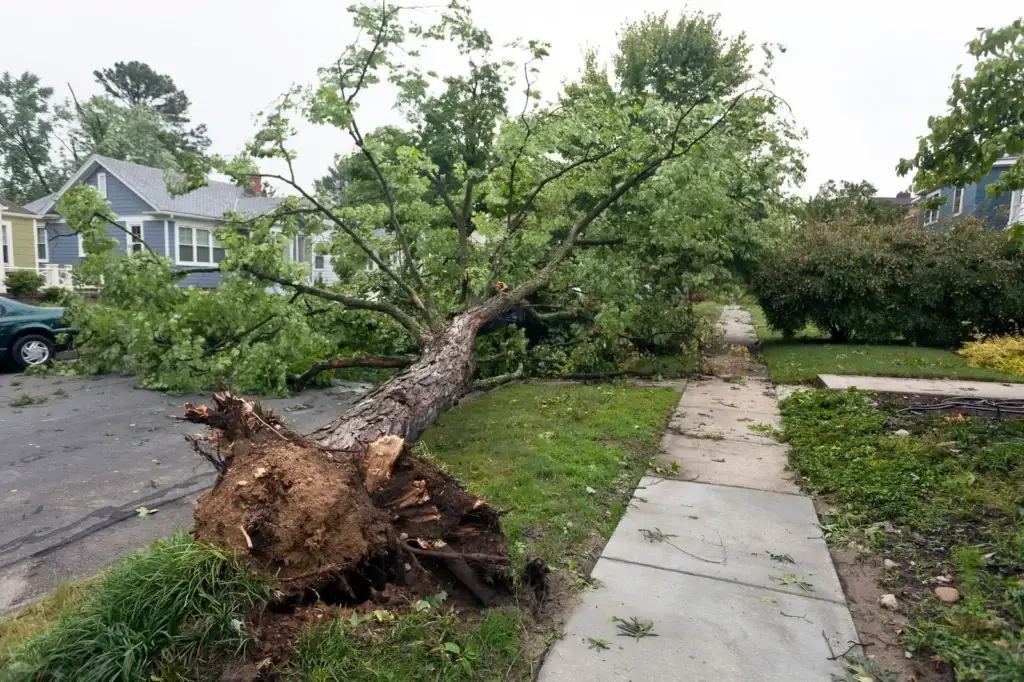
After a storm, your first priority should always be safety.
Before inspecting your property:
- Stay away from downed power lines.
- Keep children and pets away from damaged trees.
- Avoid walking beneath hanging or broken limbs.
- Never attempt to climb a damaged tree.
- Watch for unstable trees that may still be shifting.
Even if a tree appears stable, hidden structural damage can cause it to fail unexpectedly.
If a tree is touching utility lines, contact your utility provider immediately and stay a safe distance away until the area has been secured.
Inspect Your Property for Storm Damage
Once it’s safe to do so, perform a visual inspection of your property from the ground.
Look for signs such as:
- Fallen trees
- Split trunks
- Large broken limbs
- Leaning trees
- Hanging branches
- Cracked limbs
- Uprooted trees
- Roof or fence damage
- Trees resting on structures
Avoid walking underneath damaged trees or attempting to remove heavy branches yourself.
A professional storm damage tree service in Beaverton can evaluate the damage and recommend the safest course of action.
Know When Emergency Tree Removal Is Necessary
Not every damaged tree needs to be removed, but certain situations require immediate professional attention.
Emergency tree removal may be necessary if:
- A tree has fallen on your home or garage.
- Large limbs are hanging over your roof or driveway.
- The tree is leaning significantly after the storm.
- The trunk has split or cracked.
- The root system has lifted from the ground.
- A damaged tree blocks your driveway or roadway.
- Branches threaten power lines or neighboring properties.
An experienced arborist can determine whether a tree can be saved with pruning or whether complete removal is the safest option.
Don't Attempt Dangerous Tree Removal Yourself
Storm-damaged trees are often unstable and unpredictable.
Attempting DIY removal can be extremely dangerous because:
- Branches may be under tension.
- Trees can shift unexpectedly.
- Hidden structural damage may not be visible.
- Chainsaw work requires specialized training.
- Power lines may be involved.
- Large trees require professional rigging equipment.
Professional emergency tree removal services in Beaverton have the equipment, experience, and safety training needed to remove hazardous trees without causing additional damage.
Document Damage for Insurance Claims
If your home or other structures have been damaged, document everything before cleanup begins whenever it is safe to do so.
Take photographs of:
- Fallen trees
- Roof damage
- Broken fences
- Damaged vehicles
- Landscaping damage
- Detached branches
- Structural damage
Detailed documentation may help support your homeowners insurance claim.
Many professional tree service companies can also provide written estimates and documentation for insurance purposes.
Beware of Hidden Tree Damage
Not all storm damage is immediately visible.
A tree may appear healthy but still have internal structural damage that increases the risk of future failure.
Signs of hidden damage include:
- Cracks in major limbs
- Bark splitting
- Exposed roots
- Fresh leaning
- Soil heaving around the base
- Broken branch attachments
Scheduling a professional tree inspection in Beaverton can identify hazards before another storm causes additional damage.
Emergency Tree Removal Protects Your Property
Removing hazardous trees promptly can help prevent further damage to your home.
Professional tree removal may protect:
- Roofing systems
- Vehicles
- Fencing
- Decks
- Sheds
- Utility lines
- Walkways
- Neighboring properties
Addressing dangerous trees quickly often reduces the risk of more costly repairs later.
Tree Pruning Can Reduce Future Storm Damage
Not every storm-damaged tree requires complete removal.
In many cases, professional pruning can improve a tree’s health and reduce future storm risks by removing:
- Dead branches
- Weak limbs
- Crossing branches
- Storm-damaged growth
- Hazardous overhangs
Routine tree pruning in Beaverton helps strengthen trees while reducing the likelihood of future branch failures.
Prevent Storm Damage with Regular Tree Maintenance
Preventive tree care is one of the best ways to reduce storm-related hazards.
Homeowners should consider:
- Annual tree inspections
- Routine pruning
- Removing dead limbs
- Monitoring tree health
- Checking for signs of disease
- Evaluating trees near structures
- Removing hazardous trees before storm season
Healthy, properly maintained trees are generally better equipped to withstand high winds and heavy rain.
Why Hire a Certified Arborist?
A certified arborist has the training to evaluate whether a storm-damaged tree can be preserved or should be removed.
Professional tree care specialists can:
- Assess structural stability
- Identify hidden hazards
- Recommend pruning or removal
- Safely remove hazardous trees
- Protect surrounding landscaping
- Preserve healthy trees whenever possible
Working with an experienced tree service company in Beaverton helps ensure every decision is based on the long-term health and safety of your property.
What Happens During Emergency Tree Removal?
Every emergency tree removal project is different, but the process typically includes:
- A thorough safety assessment.
- Identification of hazards and structural concerns.
- Development of a safe removal plan.
- Controlled removal using professional equipment.
- Cleanup of branches and debris.
- Optional stump grinding if needed.
Professional crews use specialized rigging techniques and equipment to safely remove damaged trees while minimizing additional property damage.
Trust Beaverton's Emergency Tree Removal Experts
Storms can leave behind dangerous trees that threaten your home, family, and property. Acting quickly after severe weather helps reduce the risk of additional damage while restoring safety to your landscape.
At Portland tree service, we provide professional emergency tree removal, storm damage cleanup, tree pruning, and arborist services in Beaverton, Oregon. Our experienced team responds quickly to storm emergencies, safely removes hazardous trees, and helps homeowners recover after severe weather.
Whether a tree has fallen on your property, large branches are hanging over your roof, or you’re concerned about storm-damaged trees, we’re here to help.
Contact us today for fast, reliable emergency tree removal in Beaverton and let our experienced professionals restore safety to your property.
Frequently Asked Questions
How do I know if a storm-damaged tree needs to be removed?
Trees with split trunks, major root damage, severe leaning, or large broken limbs often require immediate professional evaluation. A certified arborist can determine whether the tree can be saved or should be removed.
Should I remove a fallen tree myself?
No. Storm-damaged trees can shift unexpectedly and may involve hidden hazards such as power lines or unstable branches. Professional removal is the safest option.
Does homeowners insurance cover emergency tree removal?
Coverage varies depending on your insurance policy and the circumstances of the damage. If a tree damages your home or another covered structure, your homeowners insurance may help cover removal costs. Contact your insurance provider to understand your specific coverage.
Can healthy trees survive storm damage?
Yes. Many trees can recover if the damage is limited and they receive proper pruning and care from a qualified arborist.