
If you want healthy, beautiful trees that enhance your property year after year, regular tree trimming is essential. One of the questions homeowners ask us most often is, “When is the best time to trim trees in Gresham?”
The answer depends on the type of tree, its age, and its overall health. Gresham’s wet winters, mild temperatures, and dry summers create excellent growing conditions, but they also increase the need for routine maintenance. Scheduling tree trimming at the right time not only keeps your trees looking their best but also helps prevent disease, storm damage, and costly repairs.
Whether you’re maintaining a single ornamental tree or several large evergreens, understanding the seasons can help you make the right decision.
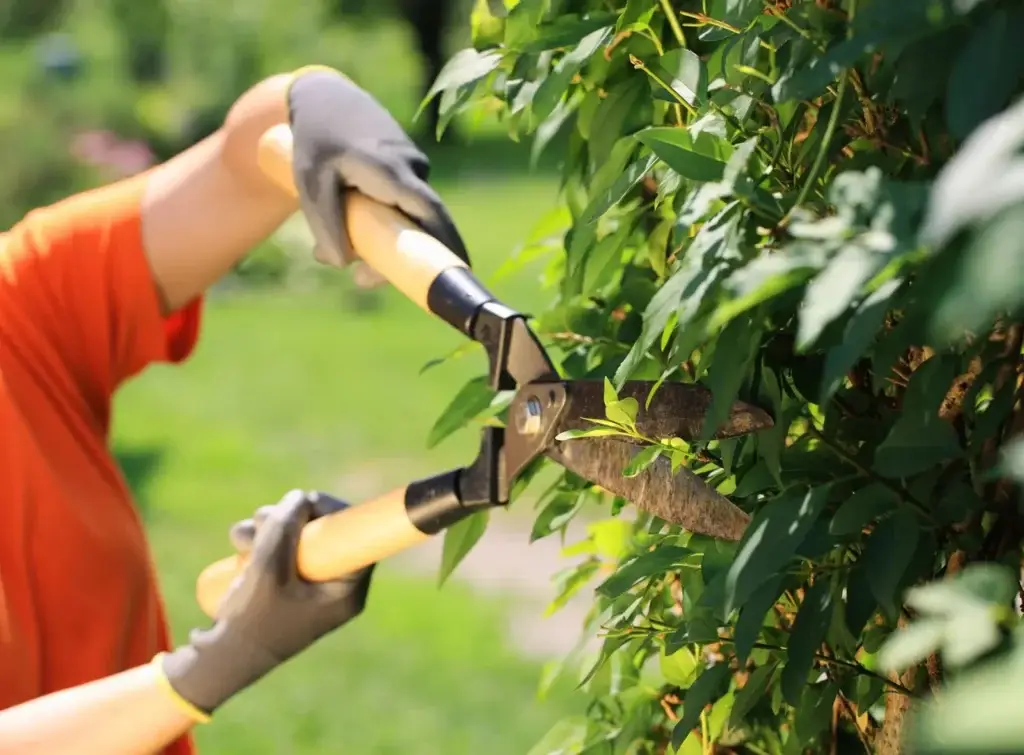
Why Tree Trimming Matters
Professional tree trimming in Gresham is about much more than improving the appearance of your yard. Proper pruning removes unhealthy limbs, encourages strong growth, and reduces the risk of branches falling during Oregon’s windy winter storms. Regular maintenance also allows sunlight and airflow to reach the canopy, helping trees stay healthier for years to come.
Routine tree care can also prevent branches from rubbing against your roof, blocking gutters, or interfering with power lines. Investing in professional tree maintenance today can save you from expensive repairs down the road.
Winter Is Often the Best Time to Trim Trees
For many tree species, late winter is considered the ideal time for pruning. During dormancy, trees aren’t actively growing, allowing them to recover quickly once spring arrives. Without dense foliage, arborists can also clearly see the tree’s structure and remove weak or crossing branches more effectively.
In Gresham, many homeowners schedule tree trimming services between January and early March. Winter pruning encourages healthy spring growth while reducing the chance of spreading certain tree diseases that are more active during warmer months.
Spring Is Perfect for Cleaning Up Winter Damage
As trees begin producing leaves in the spring, it’s easier to identify branches that didn’t survive the winter. Heavy rain, snow, and strong winds can leave limbs cracked or weakened, creating potential safety hazards.
Spring is an excellent time to remove damaged branches and inspect the overall health of your trees. However, major structural pruning should generally be avoided while trees are putting on rapid new growth unless recommended by a professional arborist.
Summer Helps Maintain Healthy Growth
Summer is an ideal season for maintenance pruning. During Gresham’s dry months, many homeowners choose to thin overgrown canopies, improve the shape of their trees, and remove limbs that have begun hanging over roofs, patios, or driveways.
Summer trimming can also improve airflow throughout the canopy, reducing excess moisture that may contribute to fungal diseases. It’s also a great time to inspect trees before fall and winter storms arrive.
Fall Is Better for Inspection Than Heavy Pruning
While many people assume fall is a good time to trim trees, extensive pruning is usually not recommended. As temperatures cool, trees begin preparing for dormancy, and fresh cuts may heal more slowly.
Instead, fall is the perfect time to inspect your property for potential hazards before winter weather arrives. If you notice dead limbs, leaning trees, or branches extending over your home, scheduling an inspection with a Gresham tree service can help prevent emergency situations later in the year.
Signs Your Tree Needs Immediate Attention
Although seasonal timing is important, some problems shouldn’t wait. If you notice any of the following, it’s best to contact a professional tree service as soon as possible:
- Dead or hanging branches
- Trees leaning after a storm
- Large cracks in the trunk
- Branches touching your roof or power lines
- Visible signs of disease or decay
Ignoring these warning signs can increase the risk of property damage or personal injury.
Gresham's Climate Makes Routine Tree Care Essential
Living in the Pacific Northwest means trees grow quickly thanks to abundant rainfall and fertile soil. While this creates beautiful landscapes, it also means trees require regular maintenance to remain healthy and safe.
Fast-growing trees can develop dense canopies that catch wind like a sail during winter storms. Excess moisture can also encourage moss, fungal growth, and decay if trees aren’t properly maintained. Regular pruning helps strengthen branch structure, improve airflow, and reduce storm-related damage.
Working with a local Gresham tree service ensures your trees are cared for by professionals who understand the unique growing conditions found throughout East Multnomah County.
Why Hire a Professional Tree Service?
While small ornamental trees can often be maintained by homeowners, larger trees require specialized equipment and experience. Improper pruning can permanently damage a tree or create dangerous situations if large limbs fall unexpectedly.
Hiring an experienced tree service provides several important advantages:
- Safe removal of hazardous branches
- Proper pruning techniques that encourage healthy growth
- Early detection of disease and structural problems
- Protection for nearby homes, vehicles, and power lines
Professional arborists know how to trim each tree species correctly while protecting its long-term health.
Schedule Tree Trimming in Gresham Today
Regular tree trimming is one of the best ways to protect your property, improve curb appeal, and extend the life of your trees. Whether you need seasonal pruning, storm cleanup, or a complete tree health evaluation, working with a trusted Gresham tree service ensures the job is done safely and correctly.
Our team proudly provides professional tree trimming in Gresham, tree removal, stump grinding, emergency tree services, and expert arborist consultations. We understand the challenges of maintaining trees in the Pacific Northwest and are committed to helping homeowners keep their properties safe and beautiful year-round.
Contact Gresham Tree Service today to schedule your tree trimming consultation and keep your landscape healthy through every season.
Frequently Asked Questions
When is the best time to trim trees in Gresham, OR?
For most tree species, late winter between January and early March is the ideal time for pruning. Trees are dormant during this period, allowing them to recover quickly once spring growth begins. Without dense foliage, arborists can also clearly see the tree’s structure and identify weak or crossing branches more effectively.
Is it okay to trim trees in Gresham during the summer?
Yes. Summer is a great time for maintenance pruning in Gresham. Thinning overgrown canopies, improving tree shape, and removing limbs hanging over roofs or driveways are all ideal summer tasks. Summer trimming also improves airflow through the canopy, reducing excess moisture that can contribute to fungal disease a common concern in the Pacific Northwest.
Should I trim my trees in the fall in Gresham?
Extensive pruning is generally not recommended in fall. As temperatures drop, trees begin preparing for dormancy and fresh cuts heal more slowly. Fall is better used as an inspection period identifying dead limbs, leaning trees, or branches near your home before winter storms arrive. A professional Gresham tree service can flag any hazards that need attention before the wet season begins.
What are the signs my tree needs immediate trimming regardless of the season?
Some problems can’t wait for the right season. Contact a professional tree service right away if you notice dead or hanging branches, trees leaning after a storm, large trunk cracks, branches touching your roof or power lines, or visible signs of disease or decay. Ignoring these warning signs increases the risk of property damage and personal injury.
Why is routine tree trimming especially important in Gresham?
Gresham’s abundant rainfall and fertile soil cause trees to grow quickly, developing dense canopies that catch wind like a sail during winter storms. Excess moisture also encourages moss, fungal growth, and decay if trees aren’t properly maintained. Regular trimming strengthens branch structure, improves airflow, and significantly reduces the risk of storm-related damage throughout the year.